The Design Ambiance Method and Manifesto by Steven C. Adamko, Interior Designer
Interior design that doesn’t just look exceptional—it communicates who you are, before you say a word.
Ambiance is the emotional atmosphere of a space. It is the feelings and emotions generated by the intentional orchestration of light, proportion, scale, rhythm, color, materials, and spatial relationships. While the Look is what people see, the Ambiance is what they feel. Together they create the complete experience of an interior environment.
Most interior design focuses on aesthetics. The Design Ambiance Method™ is built on something far more powerful: perception, presence, and psychological impact. This is not decorating. This is environmental positioning. My Design Ambiance Method™ is a proprietary system for creating emotionally immersive, high-end living environments that reflect identity, not trends.
Why I Use the Word “Ambiance”
You may notice that I use the word Ambiance rather than Ambience. Both words refer to the same concept: the emotional atmosphere of a space—the feelings and emotions people experience when they enter and occupy an environment. The difference is primarily one of spelling. Ambiance is the original French spelling, while Ambience is the English variation that developed from it. Today, both spellings are widely accepted and understood.
I intentionally use Ambiance for three reasons. First, it is the original French spelling and remains closely associated with the concepts of atmosphere, mood, and environmental experience. Second, the word Ambiance has long been used within the worlds of interior design, hospitality, luxury environments, and fine dining to describe the emotional quality of a space. Third, and most importantly, it aligns with my design philosophy.
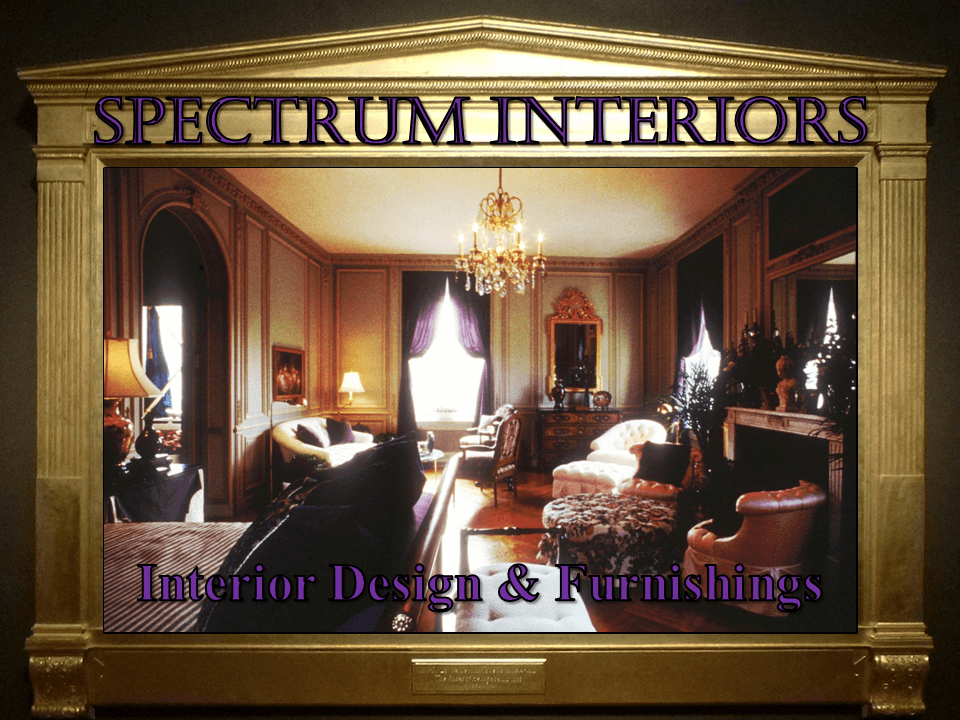
Throughout my work, I teach and apply the concept of “The Look Plus the Ambiance.” The Look is what you see—the architecture, furnishings, materials, colors, and visual composition of a space. The Ambiance is what you feel—the emotional atmosphere created through the intentional orchestration of light, proportion, scale, rhythm, color, materials, textures, and spatial relationships.
While many people focus primarily on how a room looks, I believe truly exceptional interiors must address both. A room may have a beautiful Look but lack emotional depth. Conversely, a space may create a wonderful feeling while lacking visual clarity and cohesion. Great interior design requires both.
That is why I use the phrase “The Look Plus the Ambiance.” Exceptional interiors are defined not only by what people see, but also by what they feel. And while both spellings are correct, Ambiance best represents the philosophy, methodology, and emotional experience that I seek to create and teach.
The Big Idea
Your home is already speaking for you. The question is—is it saying what you want it to say?
The Design Ambiance Method is my proprietary approach to interior design that transforms your home into a deliberate expression of identity, success, and influence. It is not trend-driven, not template-based, and never interchangeable.
Every decision is intentional. Every element contributes to how the space feels—and how you are perceived within it.
The Problem
Many affluent homeowners live in well-furnished spaces that still feel incomplete. The rooms may be beautiful, but not memorable; expensive, but not distinctive; comfortable, but not compelling.
The result is a home that doesn’t match the level of success, confidence, or identity of the person who lives there. That disconnect is what the Design Ambiance Method resolves.
“I help affluent homeowners create deeply personal, emotionally resonant living environments through my proprietary Design Ambiance Method™—a system refined over four decades that goes far beyond traditional interior design.”
The Method
Identity Translation
We define who you are—not in abstract terms, but in expressive signals. Your values, taste, lifestyle, and aspirations are translated into a spatial language that can be seen, felt, and experienced.
Emotional Architecture
Every space is engineered to create a specific emotional response. Whether the goal is calm authority, creative energy, or effortless sophistication, nothing is accidental. Atmosphere is designed with intention and precision.
Perception Design
How others experience you in your space matters. I design environments that elevate presence, enhance social confidence, and leave a lasting impression. Your home becomes a silent introduction—working for you before you ever speak.
What Makes This Different
Traditional interior design asks, “What looks good here?” The Design Ambiance Method asks, “What should this space communicate—and how should it make people feel?”
This shift changes everything. You are no longer simply choosing furniture or finishes—you are shaping perception.
Who This Is For
This is for individuals who:
- Have achieved a high level of success, but feel their home does not reflect it
- Value distinction over trends
- Want a space that feels unmistakably their own
- Understand that environment influences identity, confidence, and experience
Who This Is Not For
This is not for those seeking quick updates or surface-level changes. It is not for trend followers or price-driven decisions.
The Outcome
When the Design Ambiance Method is fully realized, your home becomes a reflection of who you are at your highest level. It becomes a space that feels aligned, intentional, and complete—an environment that elevates how you live and how others experience you.
It doesn’t just look right. It feels right. It communicates clearly. And it cannot be mistaken for anyone else’s.
The Design Ambiance Method
Because your home shouldn’t just be designed—it should be understood.
The Design Ambiance Manifesto™
Most interior design is created to be seen. Mine is created to be experienced.
The industry has trained people to judge spaces by appearance—color palettes, materials, furnishings, and trends. And while these produce a visual result, they do not guarantee a meaningful experience. A space can look exceptional—and still feel completely wrong.
Because what you live in is not just what you see—it’s what you feel.
The atmosphere, the energy, the emotional tone, and the way a space supports or disrupts your daily life are all part of the lived experience of a space. This is not decoration, styling, or an afterthought. This is the experience of living in the space.
Ambiance is not something you add. It is something you design.
It must be created with the same level of intention as the visual result. When it is left to chance, the outcome is inconsistent, no matter how beautiful the space appears.
This is where my work is different.
Through the SKP Method™ and the Design Ambiance Method™, I do not separate how a space looks from how it feels. They are developed simultaneously. Every decision carries both a visual and an experiential consequence. Every element serves both form and feeling. This is not a sequence of steps. It is an integration.
Because how a space feels is not accidental.
It is shaped by proportion, light, material, scale, flow, and rhythm working together to influence human experience over time. Most people sense this, but very few know how to design it.
Most high-end homes achieve beauty. Very few achieve alignment.
Alignment between the space and the person living in it. Alignment between function and emotion. Alignment between identity and environment. That alignment is the difference between a house that impresses and a home that feels unmistakably right.
This is why I work the way I do.
This is why I take on a limited number of projects. This is why the process is structured, deliberate, and immersive. This level of outcome cannot be achieved casually.
This is for those who understand that how a space feels matters as much as how it looks.
Not more trends. Not more styling. Not more visual noise. But a deeper understanding of how environments shape human experience. That is what the SKP Method™ develops, and what the Design Ambiance Method™ delivers.
If you are looking for something that simply looks right, there are many options.
If you are looking for something that looks right and feels right—consistently, intentionally, and unmistakably—then you are choosing something fundamentally different. You are not choosing a designer. You are choosing a way of thinking.
It has to look right. It has to feel right. And they must be created simultaneously.
This is Design Ambiance.
This is the Design Ambiance Method™ by Steven C. Adamko, Interior Designer, NCIDQ